

Why Social Media Marketing Examples Matter for Your Business
Social media marketing examples are powerful blueprints that show how businesses connect with billions of potential customers every single day. Here’s what you need to know:
Top Social Media Marketing Examples by Strategy:
- User-Generated Content: GoPro’s Million Dollar Challenge (43,000 global submissions)
- Emotional Storytelling: Dove’s Real Beauty Sketches (30 million views in 10 days)
- Personalization: Spotify Wrapped (encourages massive social sharing annually)
- Interactive Campaigns: Coca-Cola’s Share a Coke (250 million bottles sold in Australia)
- Humor: CeraVe’s Michael Cera campaign (32 billion earned impressions)
Social media isn’t just a nice-to-have anymore—it’s where your customers live. An estimated 5.04 billion people use social media every single day. That’s over half the world’s population scrolling, liking, commenting, and making purchasing decisions based on what they see.
The brands winning on social media aren’t just posting content—they’re building communities, telling stories, and creating experiences that people actually want to engage with. From Dove’s emotional campaigns that generated 660,000 Facebook shares to the Ice Bucket Challenge that raised over $115 million, successful social media marketing examples prove that the right approach can transform brand awareness, customer loyalty, and yes, your bottom line.
What separates these winning campaigns from the ones that fall flat? Authenticity, creativity, and a deep understanding of what their audience actually cares about. Whether it’s Nike empowering athletes through user-generated content or Duolingo turning a mascot into a viral sensation, the best campaigns feel less like advertising and more like conversations.
As Milton Brown, I’ve managed paid media campaigns ranging from $20,000 to $5 million across diverse industries, and I’ve seen how the right social media marketing examples can inspire strategies that drive measurable business outcomes. Throughout this guide, I’ll break down what made these campaigns work and how you can apply these lessons to your own business.
Relevant articles related to social media marketing examples:
The Blueprint for a Winning Campaign: Core Components of Success
Before we dive into specific social media marketing examples, let’s understand the foundational elements that make any campaign sing. Think of these as the ingredients for a delicious digital dish – you need them all for the best results!
At Multitouch Marketing, we know that truly impactful social media success doesn’t happen by accident. It’s built on a clear strategy, a deep understanding of your audience, and continuous measurement.
Defining Your Strategy and Goals
Every successful social media journey begins with a map. This map is your strategy, and it defines where you want your social media presence to be in the future – be it six months or five years down the line. It’s about setting clear objectives that align with your broader business goals.
First, we need to ask ourselves: What do we want to achieve? Is it increased brand awareness, more website traffic, higher lead generation, or directly boosting sales? These aren’t just wishful thoughts; they need to be SMART goals: Specific, Measurable, Achievable, Relevant, and Time-bound. For instance, instead of “get more followers,” a SMART goal might be “increase Instagram engagement rate by 15% within the next quarter.”
Budgeting is another critical consideration. Even the most creative campaigns need resources, whether for content creation, team time, or paid promotion. Understanding your budget helps us allocate resources effectively and ensures a positive return on investment (ROI). For more on planning your social media efforts, take a look at our guide on how to set a social media plan.
Once our goals are set, we translate them into actionable steps within a content calendar. This isn’t just a list of what to post; it’s a strategic schedule that ensures consistency, relevance, and variety. Content batching, where we dedicate specific days to different types of content creation, can significantly improve efficiency. Having a well-structured Social Media Content Calendars helps us stay organized and responsive to trends.
Next, we identify our content pillars – these are the 3-5 core topics or themes that define our brand’s message and values. For example, if we’re a local bakery in Raleigh, our pillars might be “freshly baked goods,” “community events,” and “behind-the-scenes baking tips.” These pillars provide focus, help us brainstorm ideas, and ensure our content consistently reinforces our brand identity.
Finally, establishing a strong Social Media Brand Voice is paramount. This voice should be consistent across all platforms, reflecting our brand’s personality and values. Whether it’s witty, informative, warm, or authoritative, our voice helps us connect authentically with our audience.
Understanding and Engaging Your Audience
Knowing your audience is the cornerstone of effective social media marketing. It’s not just about demographics; it’s about understanding their interests, values, pain points, and even their online behavior. We achieve this by creating detailed audience personas, which are semi-fictional representations of our ideal customers. What platforms do they frequent? What kind of content do they love? Who do they trust?
Social listening tools are invaluable here. They allow us to monitor online conversations, track mentions of our brand, industry, and competitors, and identify emerging trends and audience sentiment. This isn’t just about data; it’s about gaining genuine insights into what our community is talking about. For deeper insights, explore our resources on Social Media Audience Insights.
Responding to feedback is crucial. Whether it’s a compliment or a complaint, timely and professional responses demonstrate that we value our customers. Take the example of the ‘Wicked’ movie singalong screenings. When fans were venting their frustrations on social media about others singing along in theaters, the solution was to offer exclusive singalong screenings. This showed excellent social listening – identifying a pain point and responding with a custom, engaging experience that satisfied fan demand.
Building community goes beyond simply accumulating followers. It involves fostering genuine interactions, encouraging user-generated content, and creating a sense of belonging. Platforms like Slack have mastered this with their “Wall of Love” campaign, retweeting positive user experiences to build a strong, supportive community around their product.
| Metric | Engagement Rate | Reach | Conversions | Click-Through Rate (CTR) |
|---|---|---|---|---|
| Definition | Interactions (likes, comments, shares) per impression/follower | Number of unique users who saw content | Desired actions (sales, sign-ups, downloads) | Percentage of users who clicked a link |
| Goal Example | Increase brand loyalty | Expand brand awareness | Drive sales or leads | Increase website traffic |
| Why it Matters | Indicates audience connection | Shows potential audience size | Direct business impact | Measures content effectiveness in driving traffic |
For a comprehensive approach to tracking, our Social Media Marketing Analytics Tools can help you make sense of all this data.
Inspiring Social Media Marketing Examples and What Made Them Work
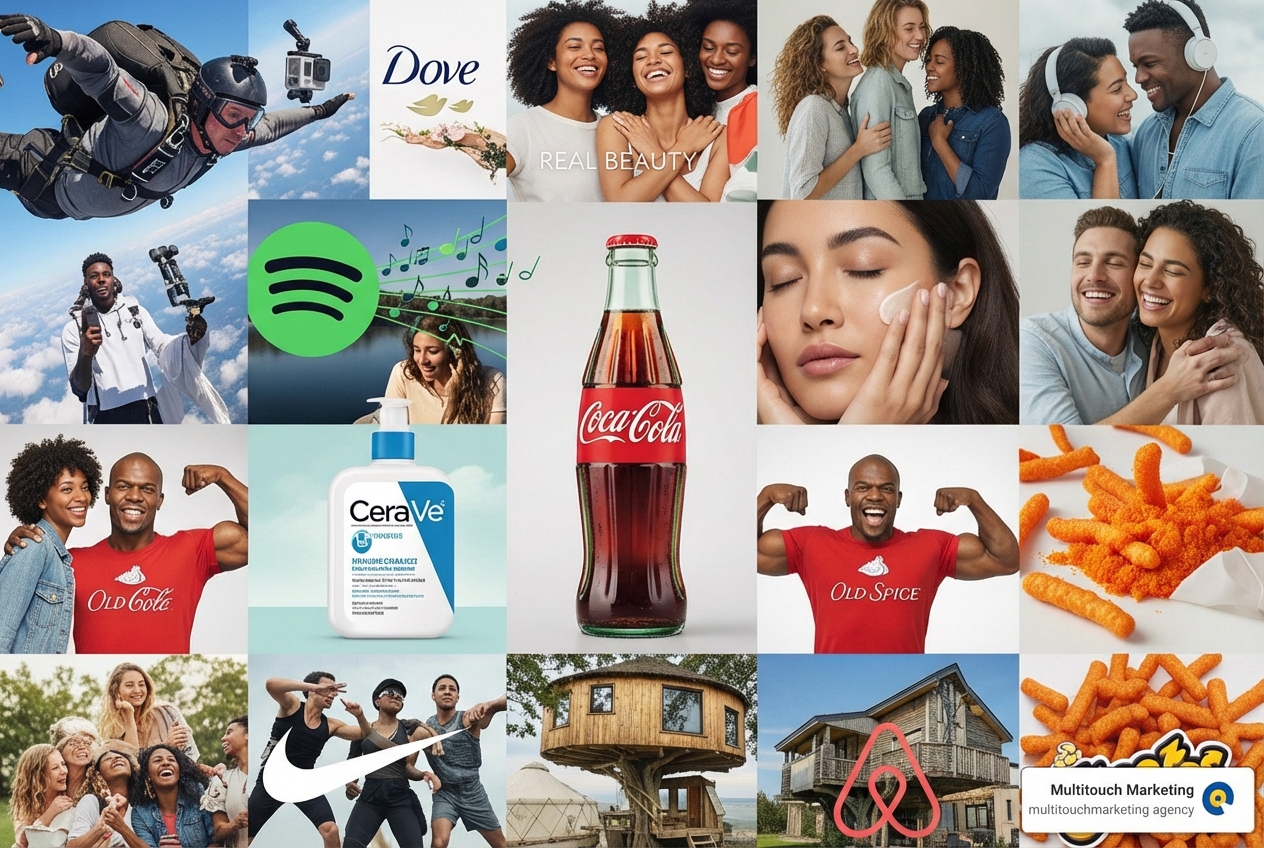
Now for the fun part: diving into some of the most memorable and effective social media marketing examples from recent years. These campaigns stand out because they master creativity, authenticity, emotional connection, and often, virality. They offer invaluable lessons for any brand looking to make a splash.
Leveraging User-Generated Content (UGC): GoPro & Nike
User-Generated Content (UGC) is like gold in social media. It’s authentic, trustworthy, and often more engaging than traditional brand-created content. Brands like GoPro and Nike have built empires on the back of their customers’ creativity.
GoPro, the action camera giant, brilliantly leveraged UGC with its Million Dollar Challenge. They invited customers to submit their best footage shot on a GoPro, offering a share of a million-dollar prize. This transformed ordinary customers into brand ambassadors, showcasing the product’s capabilities through breathtaking, real-world adventures. The campaign garnered a record 43,000 submissions globally, turning customers’ experiences into powerful marketing. It built a solid community and demonstrated the product’s value far more effectively than any ad campaign could.
Nike, a master of community building, consistently uses UGC to empower its audience. Campaigns like “Choose Your Winter” encouraged athletes to accept year-round activity, featuring real people overcoming challenges. By showcasing everyday individuals achieving their fitness goals, Nike reinforces its brand message that “everyone is an athlete.” This strategy not only builds trust but also makes marketing cost-effective, as customers willingly create and share compelling content for the brand.
The takeaway? UGC turns your customers into your most enthusiastic marketing team. It’s a powerful way to build trust and community, especially when people are more likely to believe their peers than a polished advertisement.
The Power of Emotional Storytelling: Dove’s “Real Beauty”
Few brands have mastered emotional storytelling on social media quite like Dove. Their “Real Beauty” campaign, which began over two decades ago, continues to resonate deeply.
The Dove “Real Beauty Sketches” campaign is a prime example. In this powerful video, women described themselves to a forensic artist who then drew two portraits: one based on their self-description and another based on how strangers described them. The stark difference, with the stranger’s description always being more flattering, highlighted how women often underestimate their own beauty. This emotionally charged message went viral, generating just under 30 million views and 660,000 Facebook shares in its first ten days.
The success of “Real Beauty Sketches” wasn’t just about views; it was about connecting with core brand values of self-acceptance and body positivity. It proved that purpose-driven marketing, when authentic, can create profound emotional impact and drive massive engagement. More recently, Dove’s #Faceof10 campaign built on this legacy, inserting itself into cultural conversations around beauty standards and leading to a 209% increase in online searches for related terms. These campaigns showcase how a brand can move beyond selling products to championing a cause, fostering deeper loyalty and connection.
Personalized Social Media Marketing Examples: Spotify Wrapped
In an age of endless content, personalization is key to cutting through the noise. And when it comes to personalized social media marketing examples, Spotify Wrapped is the undisputed champion.
Every year, Spotify users eagerly await their personalized “Wrapped” summary, showcasing their top songs, artists, genres, and listening habits from the past year. This campaign is a masterclass in data visualization and shareability. Users flock to social media to share their unique results, often accompanied by comments on how “spot-on” or “amusing” their personalized playlists are. In 2022 alone, 156 million users engaged with Wrapped, resulting in a staggering 425 million tweets about the campaign in just three days.
The genius of Spotify Wrapped lies in its ability to leverage existing user data to create a nostalgic, shareable experience. It taps into our desire for self-expression and connection, turning personal listening habits into a cultural phenomenon. This level of personalization isn’t just fun; it’s smart business. Companies that use personalization tend to grow 40% faster than their competitors, a significant difference in today’s hyper-competitive market. By making each user feel uniquely seen and understood, Spotify Wrapped fosters incredible user loyalty and drives massive organic reach.
Driving Engagement with Interactive Campaigns: Coca-Cola & Cheetos
Interactive campaigns invite your audience to become part of the story, leading to higher engagement and memorable brand experiences. Coca-Cola and Cheetos offer fantastic social media marketing examples of this approach.
Coca-Cola’s “Share a Coke” campaign is a classic. By replacing its logo with popular names on bottles and cans, Coca-Cola encouraged consumers to find their name, or a friend’s, and literally “Share a Coke.” This simple act created a powerful emotional connection and encouraged massive social sharing. The campaign sold more than 250 million customized bottles and cans in Australia alone, proving the power of personalization and interaction. It made the product itself a conversation starter and a vehicle for connection.
Cheetos, on the other hand, leveraged a common customer experience with a touch of humor. Their “Use Your Other Hand” contest acknowledged the universal challenge of “Cheeto fingers.” To win Cheetos-branded tumblers from Corkcicle, users had to film themselves wrapping a gift with their non-dominant hand (aka their non-Cheetos-covered hand). This playful challenge turned a minor inconvenience into a fun, relatable, and highly engaging social media activity. It showcased brand awareness, offered a tangible prize, and generated authentic user-generated content.
Both examples demonstrate how contests and challenges can create emotional connections, encourage participation, and generate buzz. When planning your interactive campaigns, remember to consider various Social Media Ad Formats to maximize engagement.
Humorous Social Media Marketing Examples: CeraVe & Old Spice
In a crowded digital landscape, humor and creativity can be your secret weapons to stand out. CeraVe and Old Spice have perfected the art of using wit to capture attention and reinvent their brands.
CeraVe’s “anti-advertising” campaign, featuring actor Michael Cera, was a masterclass in self-aware humor. The campaign played on the ridiculous notion that Michael Cera was the secret founder of the skincare brand, culminating in a Super Bowl ad. This carefully planned, four-week narrative planted a conspiracy theory that generated over 32 billion earned impressions. The “Michael CeraVe” campaign created massive pre-Super Bowl buzz, convincing the internet of Michael Cera’s fictional involvement and driving the brand’s highest-ever week of moisturizer sales. It was unexpected, quirky, and perfectly aligned with the internet’s love for memes and inside jokes.
Old Spice famously reinvented itself from a dusty, old-fashioned brand into a guide of modern masculinity with its “The Man Your Man Could Smell Like” campaign. Through absurd humor, rapid-fire, witty dialogue, and unexpected scenarios, the campaign proved that laughter is indeed a powerful marketing tool. It harnessed surprise and humor to grab attention, showcase product benefits in an unforgettable way, and fundamentally change brand perception.
These social media marketing examples show that taking risks with humor, embracing the unexpected, and leaning into a unique brand personality can lead to viral success and brand reinvention. When crafting your own campaigns, compelling Social Media Ad Creative can make all the difference.
Key Takeaways for Your Future Strategy

We’ve explored some incredible social media marketing examples that have captured attention, built communities, and driven business results. Now, let’s distill these lessons into actionable takeaways for your future social media strategy.
- Be Authentic: Whether it’s Dove’s “Real Beauty” or Spotify Wrapped, the most successful campaigns feel genuine. Don’t just post; connect. Let your true brand personality shine through, and don’t be afraid to be vulnerable or humorous. People crave real connections, not just polished advertisements.
- Know Your Audience (Deeply): This is non-negotiable. The “Wicked” singalong campaign and Cheetos’ “Use Your Other Hand” contest succeeded because they understood their audience’s behaviors, desires, and even frustrations. Invest in audience research, use social listening, and segment your target market in Raleigh, Durham, Chapel Hill, and across North Carolina to tailor your messages effectively.
- Encourage Participation: User-generated content, contests, and challenges aren’t just trends; they’re powerful ways to build engagement and trust. GoPro turned its customers into ambassadors, and Coca-Cola made its product a social experience. Give your audience a reason to interact with your brand and share their experiences.
- Don’t Be Afraid to Be Creative and Stand Out: In a sea of content, being memorable is crucial. CeraVe’s “Michael CeraVe” campaign and Old Spice’s humorous reinvention show that bold, unexpected creative choices can generate massive buzz. Push boundaries, experiment with different formats, and leverage humor where appropriate for your brand.
- Measure and Adapt: The social media landscape is constantly evolving. Use analytics tools to track your performance, understand what’s working (and what isn’t), and be prepared to pivot your strategy. Continuous learning and adaptation are essential for long-term success. Our guide on Tips for Successful Paid Social Media Campaigns can provide additional insights into optimizing your efforts.
By embracing these principles, we can create campaigns that not only resonate with our audience but also drive tangible results for our businesses. Avoiding common mistakes like inconsistent posting, neglecting audience engagement, or being overly promotional will also set us up for success.
Frequently Asked Questions about Social Media Marketing
How do I measure the success of a social media campaign?
Measuring the success of a social media campaign goes beyond vanity metrics like likes. We need to focus on key performance indicators (KPIs) that align with our initial SMART goals. Important metrics include:
- Engagement Rate: This measures how actively your audience interacts with your content (likes, comments, shares, saves). A high engagement rate indicates your content is resonating.
- Reach and Impressions: Reach tells us how many unique users saw our content, while impressions show the total number of times our content was displayed. These are crucial for brand awareness.
- Conversions: This is often the ultimate goal – how many users completed a desired action, such as making a purchase, signing up for a newsletter, or downloading an app.
- Click-Through Rate (CTR): The percentage of users who clicked on a link in your post. This indicates how effective your content is at driving traffic to your website or landing page.
- Return on Investment (ROI): This measures the financial return generated by your social media efforts compared to the cost. It’s essential for demonstrating the business value of your campaigns.
To accurately track these, especially conversions, implementing Social Media Conversion Tracking is vital. We use various analytics tools provided by the platforms themselves, as well as third-party solutions, to gather comprehensive data and make informed decisions.
How can small businesses use these social media marketing examples?
Small businesses in places like Raleigh, Durham, and Chapel Hill, NC, might not have the budgets of a Coca-Cola or Nike, but they can absolutely adapt these social media marketing examples for their own success.
- Adapt Strategies, Don’t Just Copy: Instead of a “Million Dollar Challenge,” a local boutique could run a “Best Dressed in Our Latest Collection” photo contest for a gift card. The core idea of UGC remains.
- Focus on a Niche: Small businesses often thrive by serving a specific niche. Use social media to connect deeply with that niche. If you’re a local coffee shop, run a “coffee and study spot” photo challenge, encouraging students in Chapel Hill to share their experiences.
- Leverage Local Community: Your community is your biggest asset. Encourage local user-generated content, partner with other small businesses in Durham for cross-promotions, or highlight local causes you support. Starbucks’ “To Be a Partner” campaign, which showcased employee community involvement, can be adapted by featuring your own team’s local efforts.
- Start with a Clear Plan: Even for small businesses, a well-defined strategy with SMART goals is crucial. Don’t spread yourself too thin across every platform. Choose one or two where your target audience is most active and master them.
- Accept Authenticity and Creativity: Humor, emotional storytelling, and personalization don’t require huge budgets. A local brewery in Raleigh could create a funny video about the “struggles of choosing a craft beer” or personalize thank-you notes for online orders.
For more custom advice on maximizing your local presence, check out our insights on SMM for Local Businesses.
What is the role of influencer marketing in these campaigns?
Influencer marketing plays a significant role in many of the most successful social media marketing examples, primarily by lending credibility, expanding reach, and fostering authenticity.
- Credibility and Reach: Influencers, whether celebrities or micro-influencers, bring their established audience and trusted voice to your brand. When Michael Cera appeared in CeraVe’s campaign, it immediately grabbed attention and sparked conversation, leveraging his unique persona for massive earned media. Similarly, Dove partnered with actress Drew Barrymore for its #TheFaceOf10 campaign, tapping into her reach to promote age-appropriate self-expression.
- Authenticity: The right influencer can make your message feel less like an advertisement and more like a genuine recommendation. For example, Sweetgreen’s collaboration with singer Reneé Rapp was successful because she had been a genuine fan for years, making the partnership feel authentic rather than transactional. This authenticity resonates deeply with followers.
- Finding the Right Influencers: The key isn’t always the largest follower count, but rather relevance and authenticity. We look for influencers whose audience aligns with our target market and whose values resonate with our brand. This ensures that the message is received by the right people and is perceived as genuine. Even local micro-influencers in North Carolina can be incredibly effective for reaching specific community segments.
Conclusion: Putting Inspiration into Action
We’ve journeyed through some of the most innovative and impactful social media marketing examples, uncovering the strategies that propelled them to success. From GoPro’s ingenious use of user-generated content to Dove’s heartfelt emotional storytelling, and from Spotify’s personalized data magic to CeraVe’s comedic brilliance, the common threads are clear: authenticity, a deep understanding of the audience, relentless creativity, and a willingness to engage.
The power of a well-executed social media strategy cannot be overstated. It’s how brands build communities, cultivate loyalty, and ultimately drive growth in today’s digital-first world. By applying the lessons from these campaigns – embracing personalization, encouraging participation, and daring to be different – we can craft our own compelling narratives.
While these examples often highlight organic success, we at Multitouch Marketing understand that a strong paid strategy can amplify these results significantly. We specialize in pay-per-click (PPC) advertising, offering expert guidance to businesses in Raleigh, Durham, Chapel Hill, and across North Carolina. Our expertise in navigating the complex and dynamic nature of PPC marketing means we can help you take these inspiring organic strategies and boost their reach and impact, ensuring your message lands with precision and drives measurable outcomes.
Ready to open up your brand’s full potential on social media? Take your brand to the next level with our social media marketing services.