

Why Ecommerce Site Management is Critical for Business Success
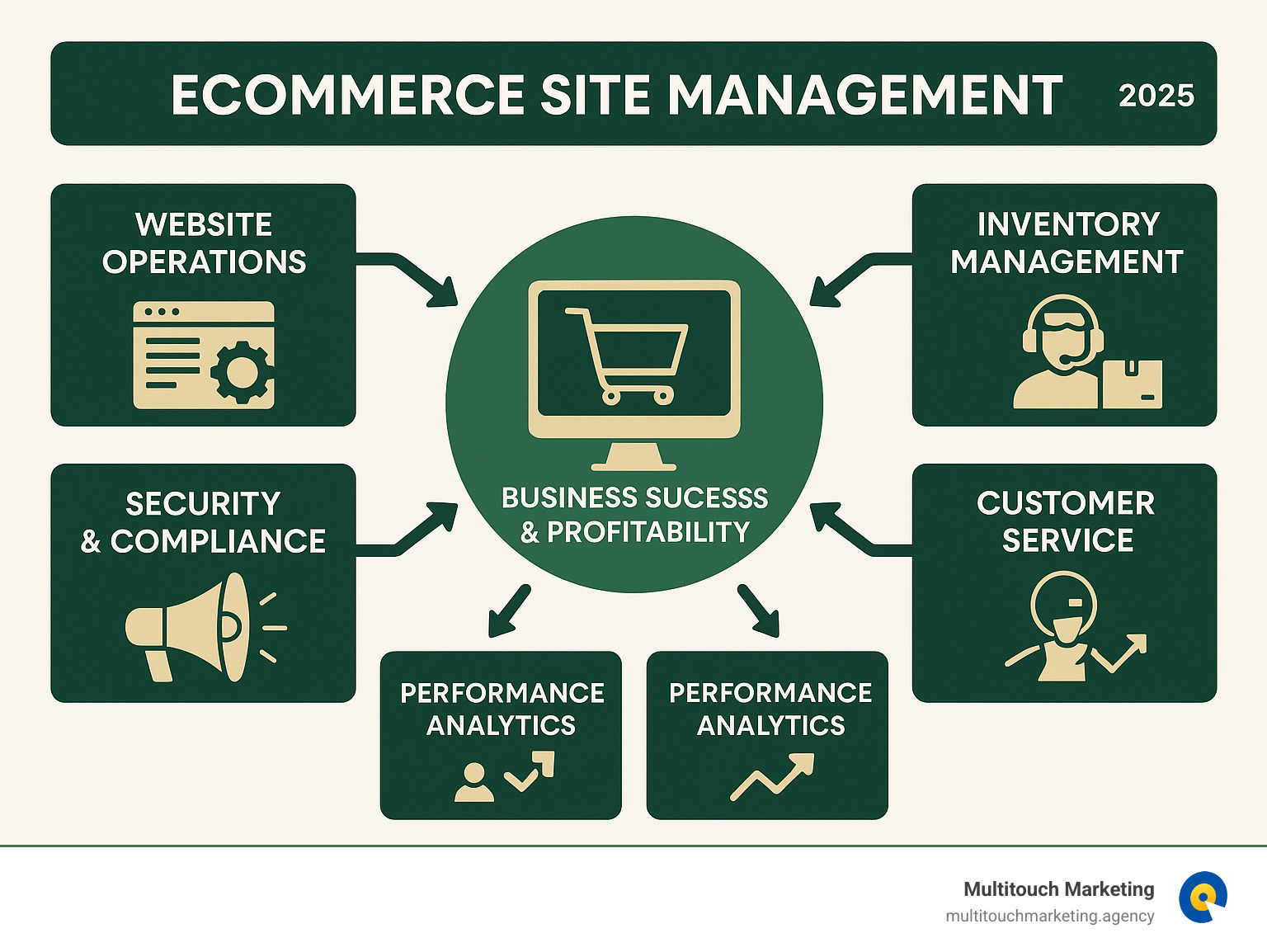
Ecommerce site management is the comprehensive practice of overseeing your online business to ensure it runs smoothly, profitably, and competitively. It covers everything from website operations and inventory to customer experience and marketing strategy.
Key Components of Ecommerce Site Management:
- Website Operations – Ensuring fast load times, uptime monitoring, mobile optimization, and seamless user experience
- Inventory Management – Real-time stock tracking, order processing, shipping coordination, and returns handling
- Customer Service – Multi-channel support, feedback collection, review management, and personalization
- Security & Compliance – PCI compliance, SSL certificates, fraud prevention, and data protection
- Marketing Integration – SEO optimization, PPC campaigns, email marketing, and social commerce
- Performance Analytics – Conversion tracking, customer behavior analysis, and data-driven decision making
The stakes are high: downtime can cost small businesses from $137 to $427 per minute. Furthermore, with 90% of consumers reading online reviews and 88% trusting them like personal recommendations, a well-managed site is crucial.
Effective management directly impacts your bottom line by improving efficiency, enhancing customer experiences, and enabling data-driven growth. It’s what separates a struggling store from a thriving digital business.
I’m Milton Brown. Since 2008, I’ve helped ecommerce companies with budgets from $20,000 to $5 million optimize their digital presence. My expertise in ecommerce site management comes from hands-on experience with complex tracking, multi-platform campaigns, and scaling growth strategies.
The Core Pillars of Effective Ecommerce Site Management
A successful online store requires every part—website, inventory, customer service, and security—to work in harmony. If one element fails, the entire business suffers. That’s why ecommerce site management is built on four critical pillars.
As noted in studies on the high cost of downtime, every minute your site is down can cost hundreds of dollars. This makes professional Website Maintenance Services essential, not optional.
Website Operations and Content
Your website is your digital storefront, where first impressions are made in just 0.05 seconds. Customers decide instantly whether to trust your site.
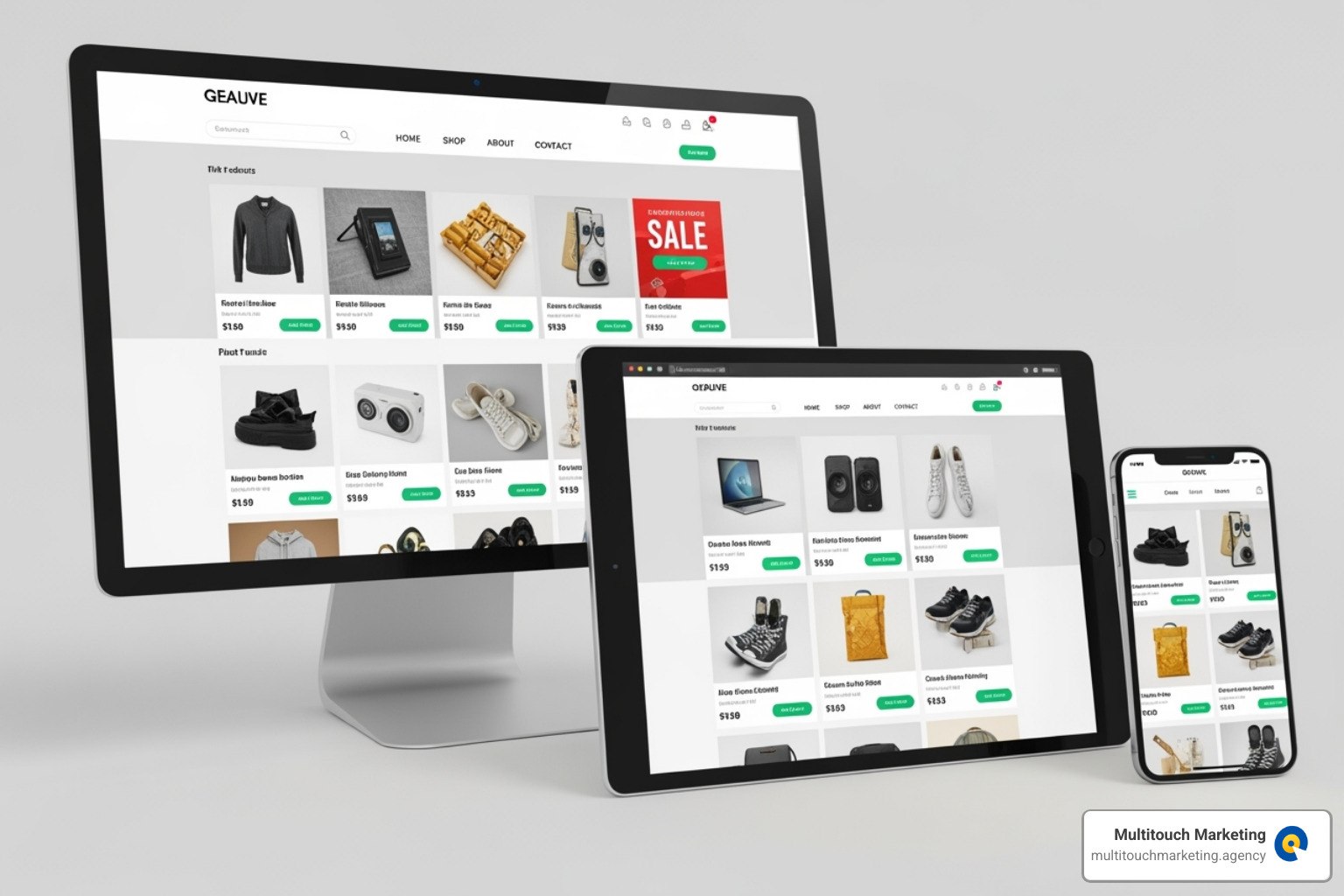
- Website speed directly impacts your bottom line. Every second of delay costs you customers.
- Uptime monitoring ensures your digital doors are always open. Downtime is the equivalent of locking customers out of a physical store.
- Responsive Web Design is crucial. Your site must look and work perfectly on all devices, from phones to desktops. Our Beginners Guide to Responsive Web Design Principles explains how.
- User experience and navigation should be effortless. Customers should find what they need intuitively.
- Fresh content updates, compelling product descriptions, and high-quality photos sell your products and boost your SEO best practices by signaling relevance to search engines.
For more details, see our guide to Website Maintenance Best Practices.
Inventory and Fulfillment
Managing inventory is a balancing act. Too little stock disappoints customers; too much ties up capital.

- Real-time stock level tracking prevents overselling, which erodes customer trust.
- Efficient order processing and shipping logistics are vital. The best systems automate tasks like printing labels and sending tracking updates.
- Fulfillment automation can slash order lead times, leading to happier customers.
- Partnering with a 3PL fulfillment expert can be a smart move as you grow, letting you focus on your brand.
- A smooth returns management process can strengthen customer loyalty and encourage repeat purchases.
Customer Satisfaction and Retention
In ecommerce, customer experience is a strategic advantage. Companies that prioritize it see revenue growth of 4% to 8% above their competition.
- Customer support channels should be available where your customers are, whether it’s chat, email, or phone.
- Feedback loops turn customer opinions into valuable business insights and build loyalty.
- Online reviews are powerful marketing. 90% of consumers read them, and 88% trust them as much as personal recommendations.
- Personalization makes customers feel valued and increases sales. Customers are 80% more likely to buy from brands offering personalized experiences.
- Loyalty programs reward your best customers and give them a reason to return.
Security and Compliance
Customers trust you with sensitive data. Protecting that trust is non-negotiable, as cyber threats are constantly evolving.
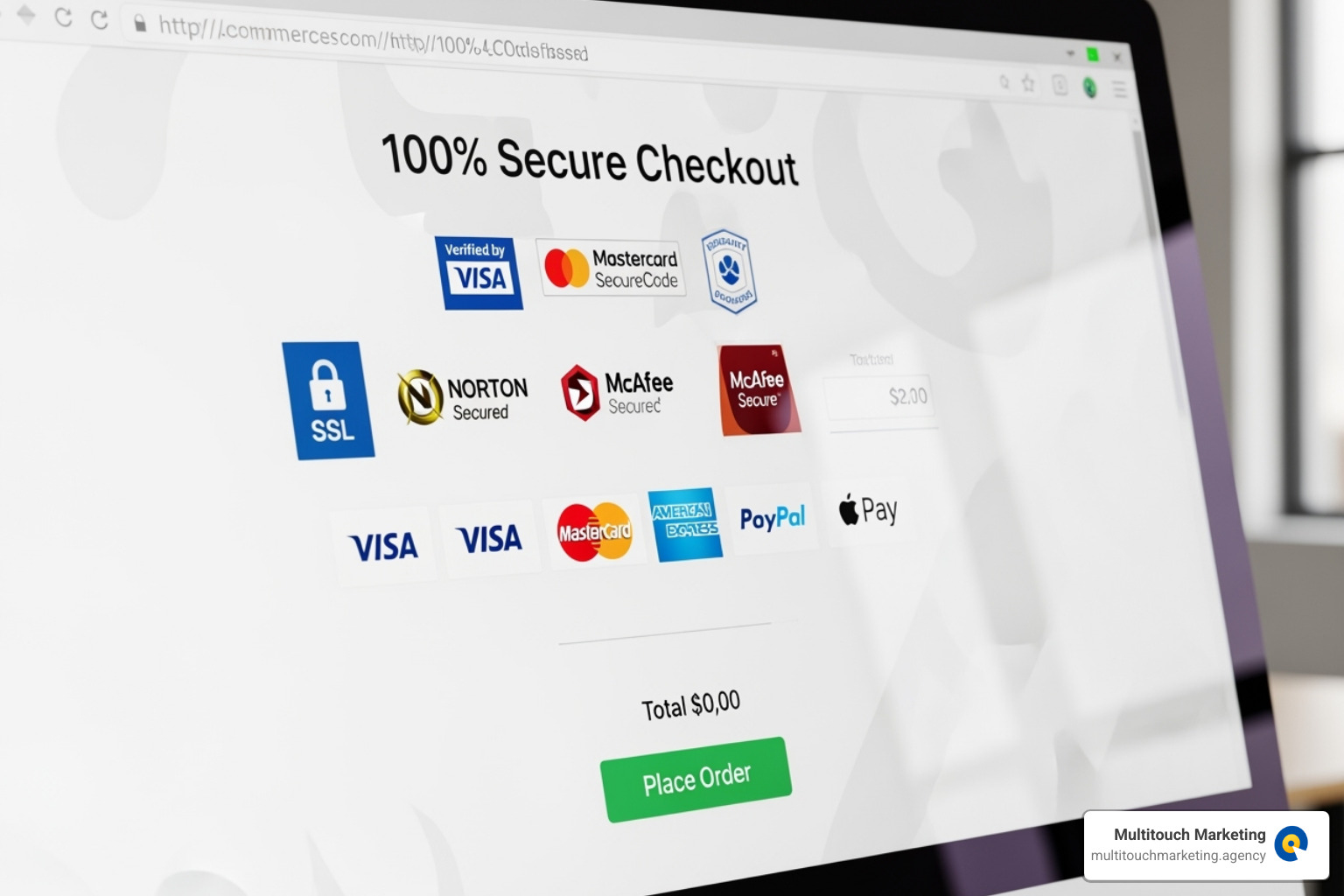
- PCI compliance is mandatory for processing credit cards and protects you and your customers from breaches.
- SSL certificates provide the browser padlock, signaling to customers that their data is encrypted and safe.
- Data protection in line with regulations like GDPR and CCPA shows respect for customer privacy.
- Fraud prevention tools, often part of modern payment gateways, block suspicious transactions before they cause harm.
- Trust badges on your checkout page are visual proof that you take security seriously, increasing customer confidence.
Leveraging Technology and Tools for Superior Management
Managing an ecommerce business without the right technology is unnecessarily difficult. The right ecommerce site management tools can transform your operations from a constant struggle into a well-oiled machine.
When your analytics, inventory, and marketing tools are integrated, you gain real-time insights, save time with automation, and create happier, returning customers.
Essential tools range from analytics, inventory management, and CRM software to email marketing automation, payment gateways, and SEO platforms. The key isn’t having every tool, but choosing the right combination for your business size, budget, and goals.
The Role of Data Analytics in Ecommerce Site Management
Data tells the story of your customers’ journey. Without it, you’re running your business blindfolded. Every click and purchase reveals what’s working and what isn’t.
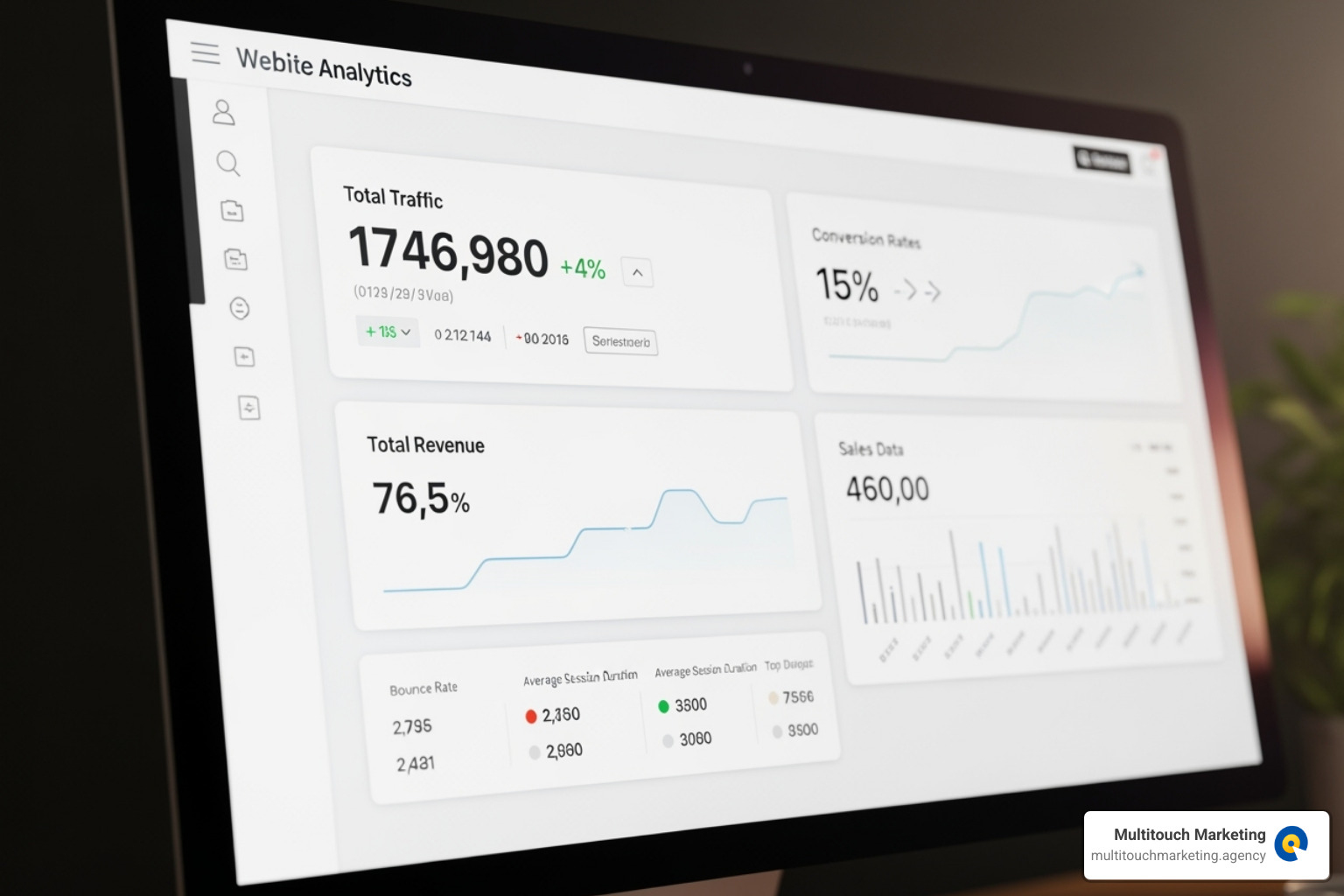
- Google Analytics is the foundation for understanding where customers come from and where they drop off.
- Conversion rate tracking pinpoints which site elements turn browsers into buyers.
- Customer behavior analysis uncovers valuable patterns, such as how users from different channels interact with your site.
- Heatmaps visually show where users click and scroll, offering an x-ray view of your website’s usability.
- A/B testing removes guesswork from optimization. You can test changes with real users and let data decide the winner.
Essential Software and Platforms
Building your ecommerce tech stack starts with the right foundation. Our guide on choosing the right ecommerce platform can help with this critical decision.
- Ecommerce platforms are your storefront’s backbone, handling everything from product catalogs to checkout.
- Content Management Systems (CMS) make it easy to update content, publish blog posts, and improve SEO.
- Customer Relationship Management (CRM) software organizes customer interactions into actionable insights.
- Inventory management software provides real-time visibility across all sales channels, preventing overselling and stockouts.
- Email marketing tools automate communication to turn one-time buyers into loyal customers.
When these systems are integrated, data flows automatically, eliminating manual work and reducing errors.
The Role of AI and Automation in Ecommerce Site Management
AI and automation amplify human strategy, handling repetitive tasks so you can focus on growth.
- AI-powered personalization makes each visitor feel like the site was designed for them by showing relevant products based on their behavior.
- Chatbots offer 24/7 customer service, handling inquiries and guiding customers through their purchases.
- Automated order routing optimizes fulfillment by selecting the best warehouse based on inventory, location, and shipping preferences.
- Dynamic pricing adjusts prices in real-time based on market conditions, competitor pricing, and demand.
- Machine learning for recommendations analyzes complex patterns to suggest relevant products, increasing average order values.
Even historically clunky systems like IVR automation are improving with AI, creating better customer experiences. These tools get smarter over time, continuously improving their value.
Integrating Strategy: Marketing, Growth, and Adaptation
A perfectly managed ecommerce site is useless if no one knows it exists. True success comes from integrating ecommerce site management with a smart digital marketing strategy that drives growth and adapts to change.
The global digital buying market includes over 2 billion people, but reaching them requires a strategic, integrated approach.
Aligning Management with Digital Marketing
Digital marketing bridges the gap between your site and potential customers. Without it, your store is invisible.
- Search Engine Optimization (SEO) is the foundation. Optimizing your site with the right keywords helps customers find you when they search for what you sell. Our Search Engine Optimization services focus on getting you found by ready-to-buy customers.
- Pay-Per-Click (PPC) advertising places your products directly in front of high-intent shoppers. Our PPC Management Raleigh expertise ensures every ad dollar works harder to drive qualified, converting traffic.
- Social media commerce allows customers to shop on platforms like Instagram and Facebook without leaving the app.
- Email marketing campaigns and content marketing build trust and authority, turning one-time buyers into loyal customers and supporting all other marketing efforts.
When site management and marketing work together, you attract traffic, convert visitors, and create happy customers who become brand advocates.
Key Challenges in Ecommerce Site Management
Running an ecommerce business involves overcoming inevitable challenges.
- Supply chain issues can disrupt inventory and impact customer satisfaction when products are delayed.
- Cybersecurity threats are a constant risk, with automated attacks probing for weaknesses around the clock.
- Keeping up with technology is a challenge. Choosing the right tools is critical, as ignoring innovation can leave you behind.
- Managing customer expectations is tough. Shoppers want perfect experiences, from product availability to free, fast delivery. A single poor experience can cause 89% of consumers to switch to a competitor.
- Competition is fierce, with countless other businesses vying for the same customers.
Adapting to Market Trends
Successful ecommerce site management means staying nimble and adapting to a rapidly changing digital marketplace.
- Mobile commerce is dominant. Your site must provide a flawless shopping experience on smartphones.
- Social selling is about building communities and authentic relationships. Social commerce sales are projected to hit $8.5 trillion by 2030.
- Sustainability is a key factor for many consumers who want transparency about your products and practices.
- Voice search is changing how people find products. Optimizing for conversational queries is becoming essential.
- Omnichannel experience means providing a seamless, consistent journey for customers across all touchpoints—online, in-store, and on social media.
Staying current may require a strategic overhaul. Understanding the Goals for a Website Redesign is crucial for long-term success.
Frequently Asked Questions about Ecommerce Site Management
Managing an ecommerce site can feel overwhelming. Here are answers to the most common questions business owners ask.
What does an ecommerce manager do?
An ecommerce manager acts as the conductor of your online business, ensuring all parts work together profitably. Their key responsibilities include:
- Overseeing online store operations: Ensuring the site loads quickly, products display correctly, and the checkout process is seamless.
- Managing product listings: Creating compelling, search-friendly descriptions, managing pricing, and ensuring inventory accuracy to prevent overselling.
- Developing marketing strategies: Planning and executing digital campaigns (SEO, email, etc.) to attract and convert qualified traffic.
- Analyzing sales data: Digging into metrics like conversion rates and customer behavior to identify growth opportunities.
- Coordinating with fulfillment teams: Working with warehouse and shipping partners to ensure a smooth experience from cart to delivery.
- Ensuring customer satisfaction: Monitoring feedback and managing reviews to solve problems and build loyalty.
What are the key benefits of a well-managed ecommerce site?
A well-managed site provides significant advantages that ripple through your business.
- Increased sales and revenue: A fast, reliable site prevents lost sales from technical glitches, stockouts, or poor navigation.
- Improved customer loyalty and retention: A hassle-free experience encourages repeat business. Focusing on customer service can grow revenues 4-8% above the market.
- Improved brand reputation: A professional, secure, and efficient site builds trust, leading to positive reviews and referrals.
- Greater operational efficiency: Integrated and automated systems reduce manual tasks, freeing up your team to focus on growth.
- Data-driven business insights: Analytics provide clarity on what customers want and which strategies work, enabling smarter investments.
How much does it cost to manage an ecommerce website?
This is a common question, but it’s better to view it as an investment in growth, not just a cost. Costs vary widely based on business size, complexity, and goals.
- Platform fees: Range from $25-$250/month for basic platforms to $1,000+/month for enterprise solutions.
- Software subscriptions: Tools for inventory, email, and analytics can cost hundreds to thousands monthly.
- Marketing budget: SEO and social media can run $2,000-$10,000+ monthly. PPC campaigns require management fees plus ad spend but deliver measurable results.
- Staffing or agency costs: Freelancers may charge $20-$100/hour, while specialized agencies can cost $250-$500/hour but often deliver faster, expert results.
- Fulfillment costs: If self-managed, warehouse space can be $8,000-$15,000/month for 10,000 sq ft. 3PL providers often offer better economics, with fees for onboarding, intake, and pick-and-pack services (around $8/order).
Cutting corners on ecommerce site management often backfires through lost sales and damaged trust. Businesses that invest properly see returns that far exceed their costs.
Conclusion
Ecommerce site management is like tending a garden; it requires constant nurturing and adaptation to thrive. You can’t just set it and forget it.
We’ve covered the essentials: website performance, inventory management, customer service, and security. These are the pillars that support a successful ecommerce operation. The magic happens when all these pieces work together seamlessly.
Technology like AI and automation is here to help, freeing you to focus on growth and customer service. Data analytics give you the insights to understand what your customers want and how to deliver it.
What truly sets successful businesses apart is their willingness to adapt to trends like mobile commerce and social selling. The businesses that thrive are those that accept change.
It can be overwhelming to manage a website, inventory, customer service, and marketing simultaneously. That’s why many successful businesses partner with specialists.
At Multitouch Marketing, we’ve seen how the right ecommerce site management strategy transforms businesses. Whether it’s optimizing PPC campaigns or ensuring your site can handle the traffic, every piece matters. The future belongs to businesses that understand this interconnected system.
Ready to take your ecommerce management to the next level? Explore professional Website Management Companies to find the support that fits your business needs. You don’t have to figure it out alone.