
Why Understanding Social Media Marketing Matters for Your Business
Social media marketing definition: Social media marketing is the practice of using social media platforms to connect with your audience, build your brand, increase sales, and drive website traffic through both organic content and paid advertising.
Quick Definition Breakdown:
- What it is: Using platforms like Facebook, Instagram, LinkedIn, and TikTok to promote your business
- Key activities: Creating content, engaging with followers, running ads, and analyzing results
- Main goal: Building relationships with customers while achieving business objectives
- Two approaches: Organic (free posts and engagement) and paid (social media advertising)
With a staggering 4.95 billion people now active on social media globally—nearly 61% of the world’s population—the question isn’t whether your business should be on social platforms. It’s how effectively you’re using them.
The landscape has changed dramatically. Social media isn’t just a place to post updates anymore. It’s where customers find brands, research products, ask questions, and make purchasing decisions. 73% of marketers believe social media marketing has been effective for their business, and business retailers have seen 133% increases in their revenues from social media marketing.
Yet many small business owners feel overwhelmed. Which platforms matter? Should you focus on organic content or paid ads? How do you measure success? The complexity can be paralyzing, especially when you’re already juggling the demands of running a business.
This guide cuts through the confusion. We’ll break down exactly what social media marketing means in practical terms, explore the platforms and strategies that drive real results, and show you how to measure what matters. Whether you’re just starting out or looking to refine your existing efforts, you’ll gain clarity on how to make social media work for your business.
I’m Milton Brown, and I’ve spent over 15 years managing paid media campaigns across search, display, and social platforms for organizations ranging from small businesses to enterprises with multi-million dollar budgets. Throughout my career, I’ve seen how a clear social media marketing definition—and the right strategy behind it—can transform business outcomes.
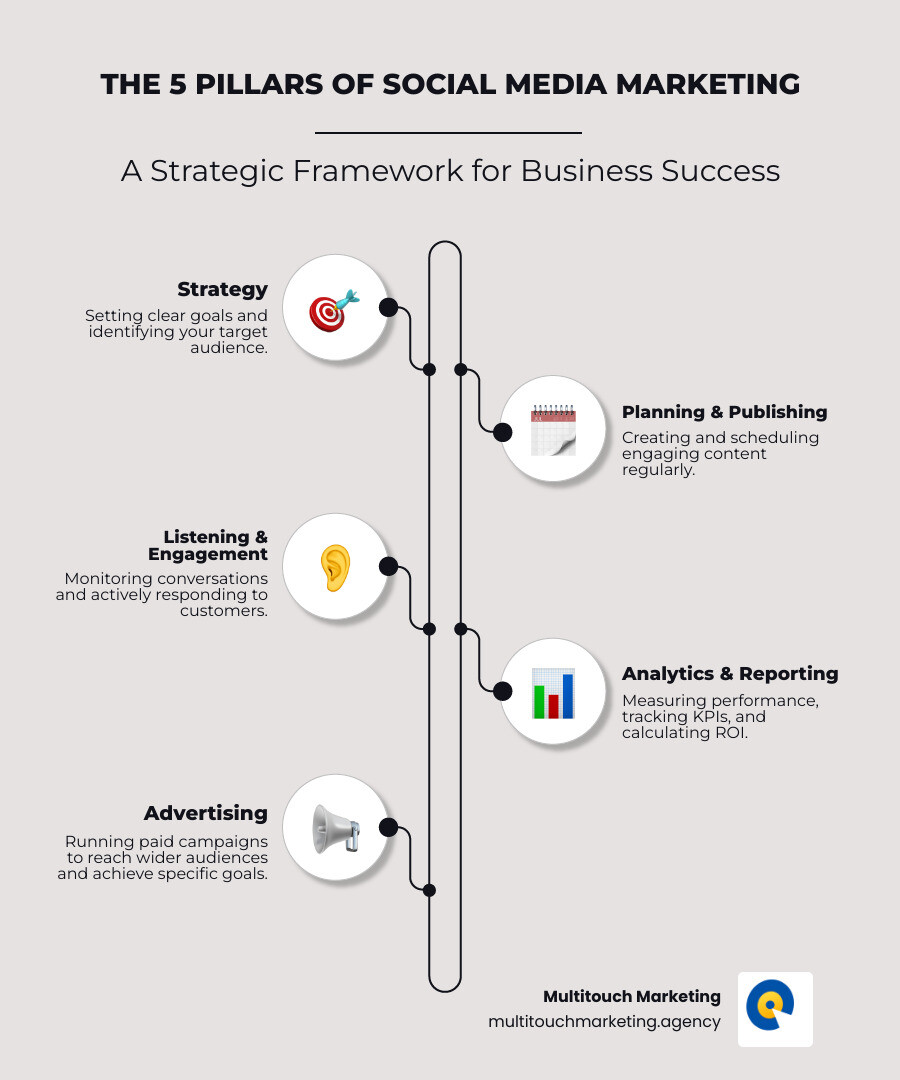
Simple social media marketing definition glossary:
The Core Social Media Marketing Definition and Its Key Components
At its heart, social media marketing is about leveraging the power of social networks to achieve your business objectives. It’s a dynamic art, not just a set of tasks. This involves carefully crafted content creation and sharing, fostering audience engagement, building a vibrant online community, and ultimately driving towards your business goals. As outlined in the “Elements of Strategic Social Media Marketing” framework, a holistic approach is key to success, encompassing both paid and organic social media efforts.
What is the fundamental social media marketing definition?
The fundamental social media marketing definition is the strategic use of social media platforms and websites to promote a product or service. Unlike traditional one-way communication, SMM thrives on two-way dialogue, enabling businesses to connect directly with their audience. This connection fosters relationship building, promotes brand awareness, and ultimately drives product and service sales. It’s about creating a strong online presence and nurturing a sense of community around your brand.
Social Media Marketing vs. Traditional Marketing
The shift from traditional marketing to social media marketing represents a profound change in how businesses interact with their customers. Let’s break down some key differences:
| Metric | Social Media Marketing (SMM) | Traditional Marketing |
|---|---|---|
| Reach | Global, highly targeted, often viral | Mass audience, less targeted |
| Targeting | Precise demographics, interests, behaviors | Broad demographics (e.g., TV viewership, magazine readers) |
| Cost | Often lower (especially organic), scalable paid options | Higher upfront costs (e.g., TV ads, print ads) |
| Speed | Real-time interaction, immediate feedback | Delayed feedback, slower campaign adjustments |
| Interactivity | Bidirectional communication, engagement, community building | Unidirectional communication, passive consumption |
Traditional marketing, whether it’s a billboard on I-40 or a radio ad on your morning commute in Raleigh, is largely unidirectional. It broadcasts a message to a mass audience. Social media marketing, however, is inherently bidirectional. It allows for direct conversations, real-time feedback, and the cultivation of niche communities. This measurability and real-time responsiveness are game-changers, letting us adapt and refine our strategies on the fly.
Active vs. Passive SMM Strategies
Within the broad spectrum of social media marketing, we often distinguish between active and passive strategies:
- Active Approach: This involves proactive engagement and content creation. We actively post, initiate conversations, manage our communities, and engage in influencer outreach. This strategy positions social media as a public relations or direct marketing tool, where we are actively shaping the narrative and driving interaction. Think of it as hosting a lively conversation rather than just listening in.
- Passive Approach: This strategy focuses on social listening and monitoring. We observe what our audience and competitors are saying, track brand mentions, and respond to customer issues as they arise. It’s about gathering market intelligence and understanding customer perspectives without necessarily initiating every interaction. This allows us to detect buying signals and identify opportunities by understanding the voice of the customer.
Primary Goals and Benefits of a Strong SMM Strategy
Any successful business knows that marketing isn’t just about making noise; it’s about achieving tangible results. For businesses in North Carolina, whether in Durham, Chapel Hill, or Raleigh, a strong social media marketing definition is intrinsically linked to clear business objectives, a solid Return on Investment (ROI), and building long-term customer value and loyalty.
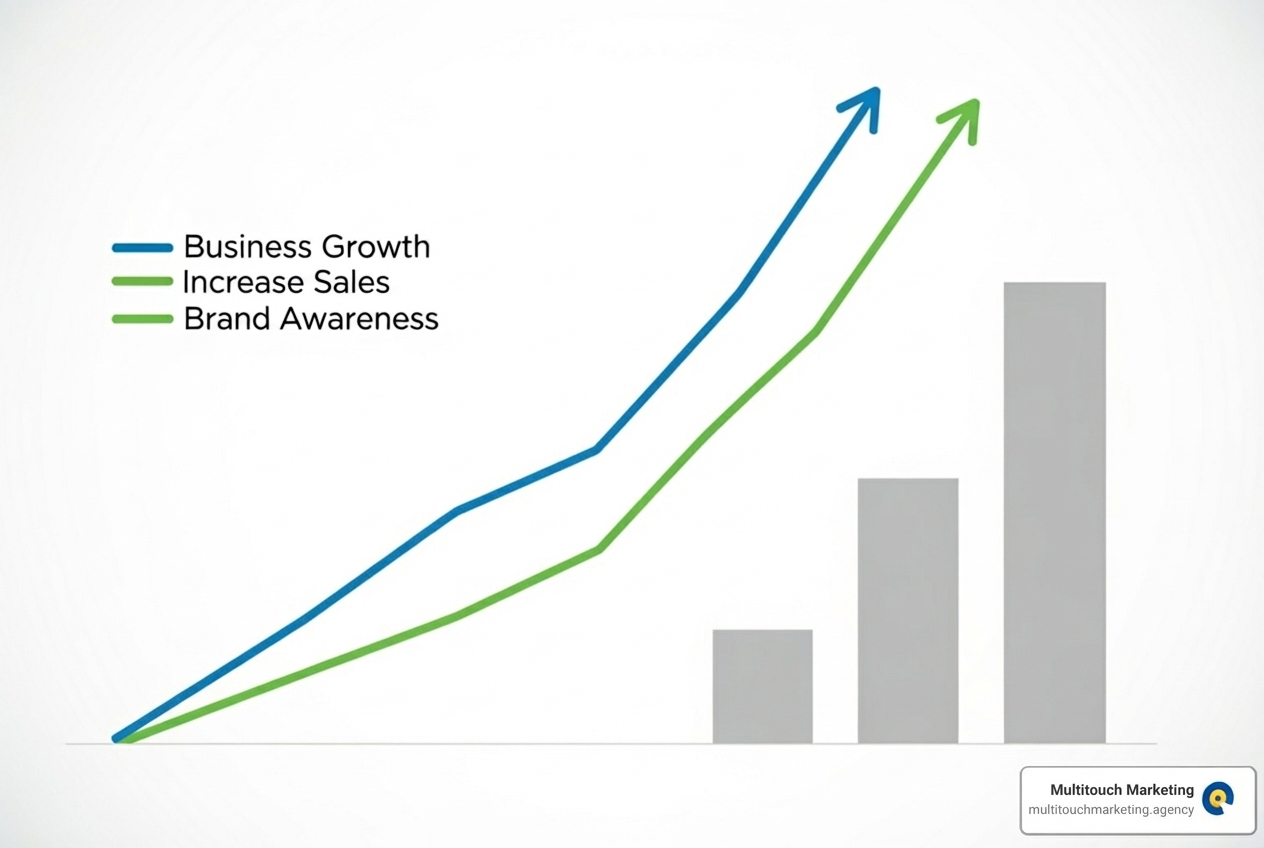
Key Goals for Businesses
When we develop a social media strategy, we align it closely with specific business goals:
- Brand Awareness: This is often the first step. By consistently sharing engaging content, we spread the word about our brand to a massive audience. With over 5 billion global social media users, the potential for exposure is enormous.
- Lead Generation: Social media platforms are powerful tools for identifying and attracting potential customers. Whether through targeted ads, engaging content that prompts sign-ups, or interactive quizzes, we can convert interest into valuable leads.
- Increasing Website Traffic: Social media acts as a significant referral source. By posting compelling content with clear calls to action, we can drive users directly to our website, where they can learn more about our products or services.
- Boosting Sales and Revenue: Many SMM efforts lead here. Business retailers have seen impressive 133% increases in their revenues from social media marketing. Platforms are continuously introducing features like shoppable posts and in-app marketplaces to make the path to purchase seamless.
- Community Engagement: Beyond transactions, social media allows us to build a loyal community around our brand. This fosters a sense of belonging and encourages repeat business.
- Customer Service: Social media has become a primary channel for customer support. Addressing inquiries and resolving issues publicly can improve our brand’s reputation for responsiveness and care.
- Market Research: Social platforms offer invaluable insights into our audience’s preferences, pain points, and desires. By listening to conversations and analyzing trends, we can refine our products, services, and marketing messages.
Top Benefits of Social Media Marketing
Beyond these specific goals, a robust social media strategy delivers overarching benefits:
- Increased Brand Recognition: Consistent presence and engaging content make our brand more memorable and recognizable.
- Improved Brand Loyalty: By interacting directly and building relationships, we foster a deeper connection with our customers, turning them into loyal advocates.
- Higher Conversion Rates: When customers feel connected to a brand, they are more likely to make a purchase. Social media helps nurture these relationships.
- Cost-Effectiveness: Compared to many traditional advertising methods, social media marketing, especially organic efforts, can be incredibly cost-effective. Even paid social media advertising often boasts a lower Cost-Per-Click (CPC) than search engine advertising.
- Gaining Marketplace Insights: Social listening allows us to tap into public sentiment, track industry trends, and monitor competitor activities, providing a rich source of market intelligence.
- Building Customer Trust: Transparency and responsiveness on social media significantly improve trust. In fact, 81% of people believe social media increases brand accountability, which translates into greater trust for authentic brands.
Essential Platforms and Tactics for Modern Marketers
Navigating the social media landscape can feel like a maze, especially when the average person bounces between seven different social networks per month. The key isn’t to be everywhere, but to be strategic about where your target audience spends their time. Our approach to social media marketing definition emphasizes tailoring platform selection, content formats, and tactics to precisely match your audience and business type, whether you’re B2B or B2C.
Choosing the Right Social Media Platforms
Here’s a look at some of the most relevant platforms for businesses today, along with their primary audiences and uses:
- Facebook: With billions of active users, Facebook remains a powerhouse for broad B2C audiences, particularly millennials and Gen X. It’s excellent for community building, sharing news, running targeted ads, and even livestreams. Many businesses in Raleigh and Durham use Facebook to generate leads and provide essential business information.
- Instagram: A maestro of visual storytelling, Instagram is ideal for brands with strong visual appeal – think fashion, food, travel, and art. Its audience skews younger (18-34), and it’s a hub for influencer marketing and user-generated content. Short-form videos (Reels) are king here, driving high engagement.
- TikTok: The fastest-growing platform, TikTok boasts over a billion users and a staggering 100% user growth rate between 2020 and 2022. It’s dominated by Gen Z and younger millennials (18-34) and is perfect for trends, challenges, and viral short-form video content. Brands can quickly build awareness with one viral video.
- LinkedIn: The go-to network for B2B. If your business serves other businesses in Chapel Hill or across North Carolina, LinkedIn is invaluable for generating high-quality leads, professional networking, sharing industry news, and establishing thought leadership. It’s significantly more effective for B2B lead generation than many other platforms.
- X (formerly Twitter): While its interaction rate is lower, X remains crucial for trending topics, real-time news, and customer service. Nearly 80% of customer service requests on social media occur here, making it an ideal platform for direct communication and building loyal fanbases.
- YouTube: For long-form video content, tutorials, and brand narratives, YouTube is best. It has billions of active users across various age groups and is excellent for video SEO, explainer content, and targeted advertising through Google Ads.
- Pinterest: This visual findy engine is popular with millennial and Gen X women. It’s fantastic for inspiring purchases, showcasing products (especially DIY, food, fashion), and driving traffic to e-commerce sites.
- Snapchat: Ideal for reaching Gen Z teens and young adults (13-24) with ephemeral content like disappearing messages, stories, and location-based marketing.
- Reddit: A collection of niche communities, Reddit is excellent for social listening, engaging with highly specific audiences, and hosting Q&A sessions.
The Role of User-Generated Content (UGC) and Influencer Marketing
In today’s social landscape, authenticity is currency. User-Generated Content (UGC) – content created by your customers rather than your brand – is a powerful form of social proof. UGC campaigns, contests, and branded hashtags encourage our audience to become our biggest cheerleaders, building trust and community. When customers share their positive experiences, it resonates far more deeply than any ad we could create.
Similarly, influencer marketing leverages trusted voices to amplify our message. By collaborating with individuals who have established credibility and an engaged following, we can reach target audiences effectively. Whether it’s micro-influencers with highly engaged niche audiences or macro-influencers with broad reach, the “Influencer Marketing: State of the social media influencer market in 2020” report highlights its continued significance. Consumers are 39% more likely to buy a product recommended by an influencer.
Leveraging Social Media for Customer Service
Social media isn’t just for marketing; it’s a vital channel for customer service. Businesses in Raleigh, Durham, and Chapel Hill can use platforms like X (Twitter) and Facebook to provide real-time support, publicly resolve issues, and build a responsive brand image. Turning a negative experience into a positive one through quick, empathetic social media interaction can significantly improve brand loyalty. Proactive engagement, such as addressing common questions or offering support before being asked, further solidifies our brand’s reputation for care.
Measuring Success and Navigating Challenges
For any marketing effort, understanding your social media marketing definition also means understanding how to measure its impact. We believe in data-driven decisions, which means constantly monitoring our performance, refining our strategies, and being prepared to steer potential risks.
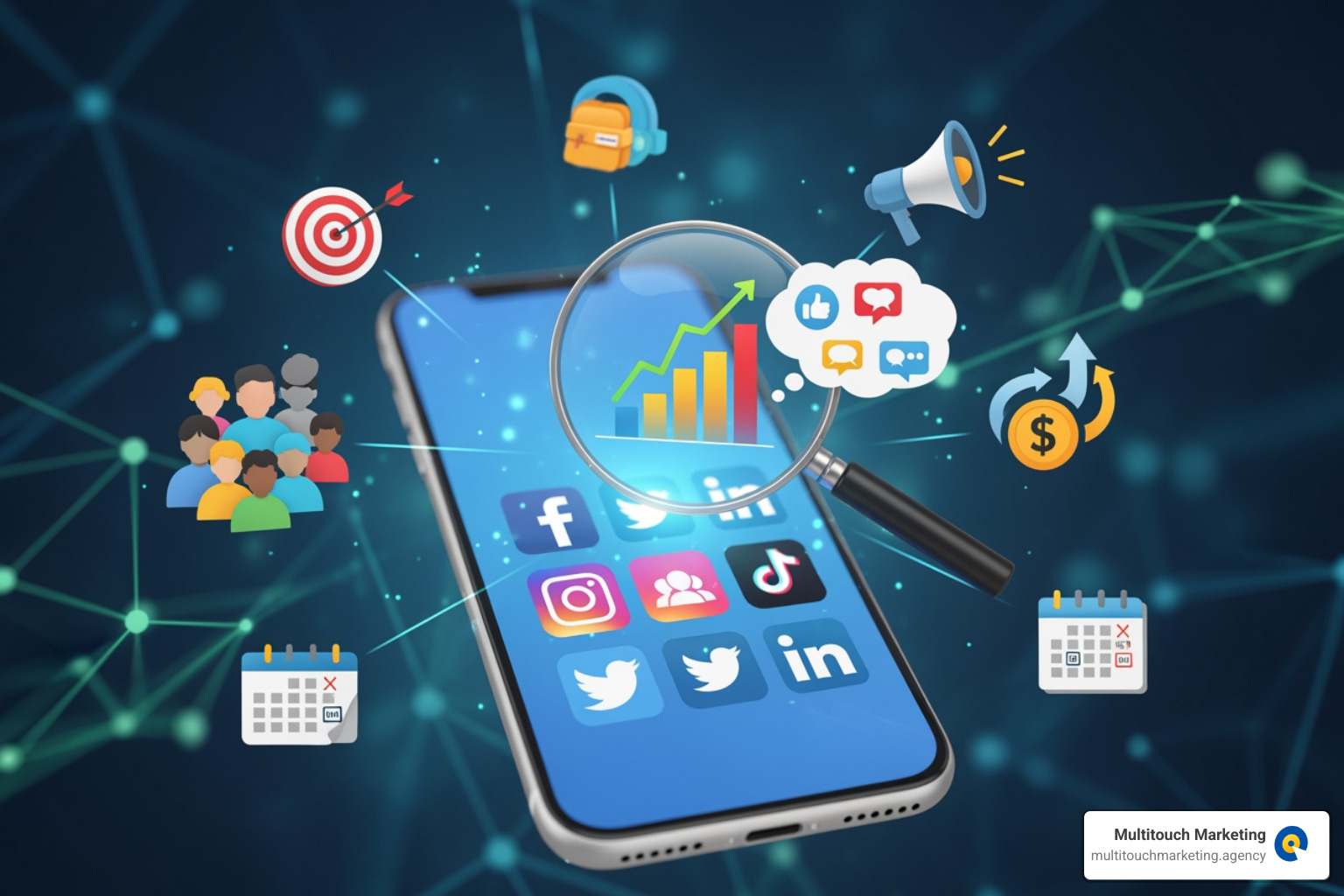
How do you measure success against your social media marketing definition?
To truly measure success, we look beyond vanity metrics and focus on Key Performance Indicators (KPIs) that align with our business goals:
- Reach: How many unique users saw our content? This indicates brand awareness.
- Engagement Rate: The percentage of our audience that interacted with our content (likes, comments, shares, saves). This shows how resonant our content is.
- Click-Through Rate (CTR): The percentage of users who clicked on a link in our post. This is crucial for driving website traffic.
- Conversion Rate: The percentage of users who completed a desired action (e.g., made a purchase, filled out a form) after interacting with our social media content. This directly ties to sales and lead generation.
- Cost-Per-Click (CPC): For paid campaigns, how much we pay for each click. Lower CPC means more efficient ad spend.
- Return on Ad Spend (ROAS): The revenue generated for every dollar spent on social media advertising. This is a critical measure of profitability.
Using built-in social media analytics tools and advanced platforms, we can track these KPIs, providing clear insights into what’s working and what needs adjustment.
Essential Best Practices for Effective SMM
Implementing a successful social media strategy requires discipline and foresight. Here are some of our essential best practices:
- Define Your Goals: Before posting, clarify what you want to achieve (e.g., brand awareness, lead generation, sales).
- Know Your Audience: Understand their demographics, interests, pain points, and which platforms they frequent. This allows us to create content that genuinely resonates.
- Create a Content Calendar: Plan your content in advance. This ensures consistency, relevance, and a balanced mix of promotional and engaging posts.
- Post Consistently: Regular, high-quality posts keep your audience engaged and your brand top-of-mind.
- Engage with Your Audience: Respond to comments, messages, and mentions. Be social! This builds community and loyalty.
- Analyze Your Results: Regularly review your KPIs to understand what’s performing well and what isn’t.
- Adapt Your Strategy: Social media is constantly evolving. Be prepared to test new ideas, learn from your data, and adjust your approach.
Potential Risks and Ethical Considerations
While social media offers immense opportunities, it also presents challenges. Negative feedback and PR crises can spread rapidly, as seen in past examples of insensitive brand tweets. Security breaches and data privacy concerns are paramount, with regulations like GDPR and CCPA highlighting the importance of protecting user data. The potential for misinformation and the need for transparency in advertising and influencer posts are also critical ethical considerations. We must always strive for honesty, respect user privacy, and take responsibility for our actions online.
The Evolution and Future of Social Media Marketing
Understanding the social media marketing definition today also requires appreciating its journey and anticipating its future. From humble beginnings to a global phenomenon, SMM is a field of constant change.
A Brief History of SMM
Social media marketing’s roots trace back to early online communities and message boards. Platforms like Six Degrees (1997) paved the way for social networking, followed by Friendster and MySpace. The true turning point came with the rise of Facebook in the mid-2000s, which revolutionized how people connected online and how businesses could reach them. Initially, it was about establishing a presence and sharing text-based updates. Over time, the shift to visual content (Instagram, Pinterest) and then short-form video (YouTube, TikTok) transformed the landscape, demanding more dynamic and engaging strategies.
Future Trends Shaping the Industry
The future of social media marketing promises even more innovation:
- Social Commerce: Shoppable posts, in-app marketplaces, and live shopping events are making the path from findy to purchase seamless. Global sales from social media are expected to rise to $8.5 trillion by 2030!
- Artificial Intelligence (AI): AI will continue to revolutionize content creation, audience targeting, and analytics, allowing for hyper-personalized campaigns and more efficient ad spend.
- Augmented Reality (AR): AR filters and experiences will offer immersive ways for brands to engage with consumers, allowing for virtual try-ons or interactive product showcases.
- The Metaverse: While still nascent, virtual worlds and shared online spaces hold the potential for entirely new forms of brand interaction and commerce.
- Short-Form Video Dominance: The popularity of TikTok has cemented short-form video as a dominant content format, and its influence will continue to grow across all platforms.
Frequently Asked Questions about Social Media Marketing
How much does social media marketing cost?
The cost of social media marketing can vary widely depending on your strategy and goals.
- Organic SMM (content creation, community management) involves time and labor costs. If you manage it in-house, it’s primarily staff salaries. If you outsource, agency fees apply.
- Paid Advertising Budgets can range from a few hundred dollars to tens of thousands per month, depending on your reach, targeting, and competitive landscape. We often see that the average cost per click on Facebook ads is significantly lower than on Google Ads, making it a cost-effective option for many businesses in North Carolina.
- Influencer Fees vary based on the influencer’s reach and engagement.
- Tool Subscriptions for scheduling, analytics, and listening can add to the budget.
The cost scales with your business size and objectives. A small local business in Chapel Hill might spend less than a large regional brand in Raleigh.
How long does it take to see results from social media marketing?
The timeline for seeing results from social media marketing depends on your goals and strategy:
- Short-term results are often seen with paid advertising campaigns, which can drive immediate traffic, leads, or sales.
- Long-term growth in brand awareness, community building, and customer loyalty typically takes more time, often several months of consistent organic effort.
Consistency is key for both. We advise our clients that while some metrics (like ad clicks) can show immediate impact, building a strong, engaged presence that generates sustained value requires patience and continuous optimization.
Can B2B companies benefit from social media marketing?
Absolutely! While often associated with B2C, B2B companies in Raleigh, Durham, and across North Carolina can significantly benefit from social media marketing:
- LinkedIn is a powerhouse for B2B. It’s ideal for professional networking, lead generation, sharing industry insights, and establishing thought leadership.
- X (Twitter) can be excellent for staying on top of industry news, engaging with thought leaders, and distributing content.
- Other platforms like YouTube (for explainer videos and tutorials) and even Facebook (for company culture and recruitment) can play a role.
The key for B2B is to focus on content that builds authority, trust, and provides value to decision-makers, rather than direct sales pitches.
Conclusion
We’ve explored the comprehensive social media marketing definition, its evolution, and its critical role in modern business. It’s clear that SMM is far more than just posting online; it’s a dynamic, multifaceted approach to building relationships, driving growth, and understanding your audience in an increasingly connected world. For businesses in North Carolina, from the vibrant streets of Raleigh to the innovative hubs of Durham and the charming community of Chapel Hill, a custom-custom strategy is essential for standing out.
At Multitouch Marketing, we specialize in helping businesses steer this complex landscape. For businesses ready to amplify their social media efforts with targeted advertising, exploring professional PPC management is the next logical step. Our expertise ensures your campaigns are not just seen, but convert into tangible business results.